A clearer look at aloe.
Unlocking the Health Benefits of 100% Aloe Vera: A Comprehensive Guide
Discover the incredible health benefits of 100% aloe vera, from skin care to digestive health. Learn how to incorporate it into your routine.
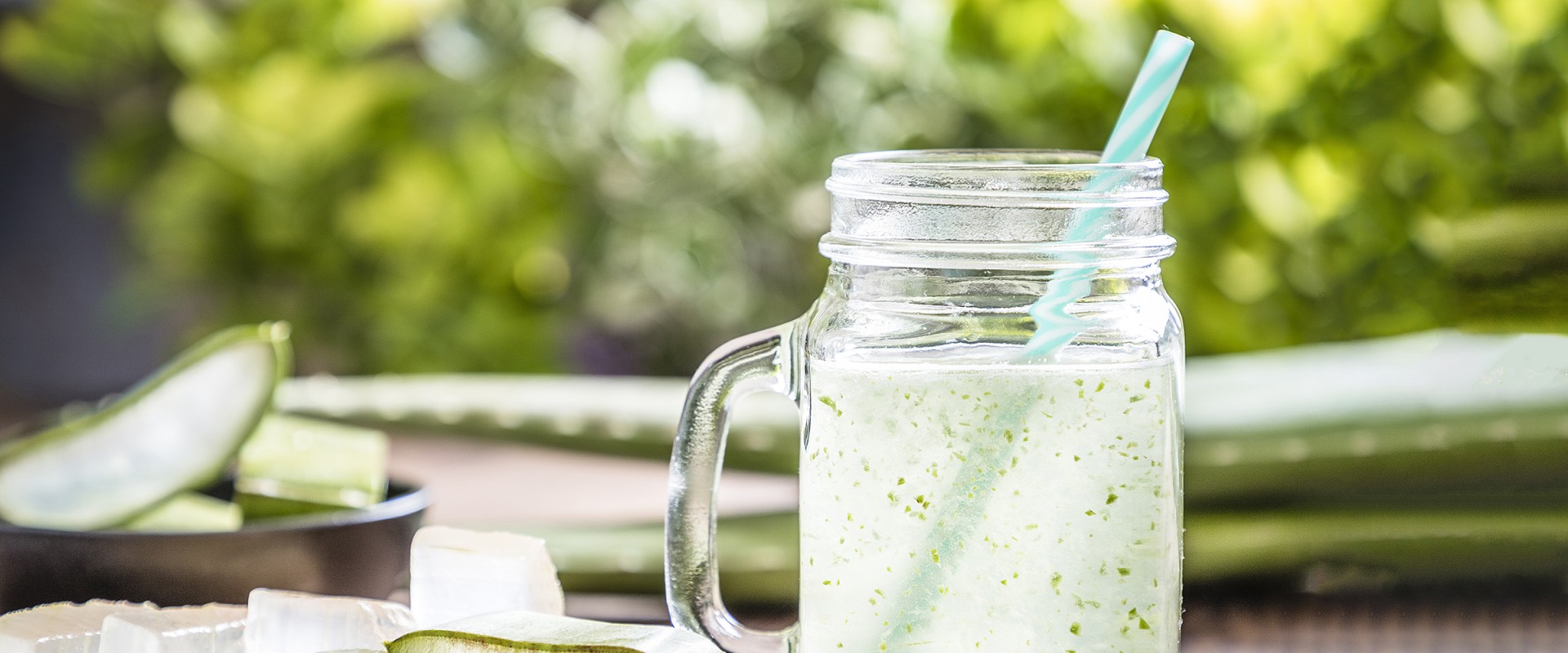
Aloe vera, often referred to as the "miracle plant," has a rich history that spans thousands of years, making it one of the most revered plants in traditional medicine. Its origins can be traced back to ancient civilizations, where it was utilized for its remarkable healing properties. The Egyptians, known for their advanced understanding of herbal remedies, called aloe vera the "plant of immortality" and used it extensively in their embalming processes and skincare regimens. Similarly, ancient Chinese and Indian cultures recognized the benefits of aloe vera for promoting health and well-being, incorporating it into their medicinal practices. Throughout history, aloe vera has been celebrated not only for its soothing gel but also for its versatility in treating a variety of ailments.
From skin irritations and burns to digestive issues, this succulent has been a go-to remedy for many. The gel extracted from its leaves is packed with vitamins, minerals, and antioxidants, which contribute to its effectiveness in promoting healing and overall health. In fact, the use of aloe vera has transcended cultural boundaries, with modern science now validating many of the traditional claims surrounding its health benefits. As we delve deeper into the health benefits of aloe vera , it becomes clear that this remarkable plant offers more than just topical relief. Research has shown that aloe vera can play a significant role in enhancing digestive health, boosting the immune system, and even improving skin elasticity.
With its rich history and proven efficacy, aloe vera stands out as a powerful natural remedy that continues to capture the interest of health enthusiasts and researchers alike.
Nutritional Profile of Aloe Vera
Aloe vera is not just a soothing topical remedy; it is also a powerhouse of nutrition that contributes to its myriad health benefits. Understanding the nutritional profile of aloe vera is essential for anyone looking to harness its full potential. One of the standout features of aloe vera is its rich composition of vitamins and minerals. The gel-like substance found within the leaves contains:- Vitamins: Aloe vera is packed with essential vitamins, including:
- Vitamin A: Important for maintaining healthy skin and vision.
- Vitamin C: A powerful antioxidant that helps protect cells from damage and supports the immune system.
- Vitamin E: Known for its skin-nourishing properties, it also acts as an antioxidant.
- B Vitamins: Including B1 (thiamine), B2 (riboflavin), B3 (niacin), B6 (pyridoxine), and B12 (cobalamin), these vitamins play crucial roles in energy metabolism and overall health.
- Minerals: Aloe vera also contains a variety of minerals that are vital for bodily functions, such as:
- Calcium: Essential for bone health and muscle function.
- Magnesium: Important for over 300 biochemical reactions in the body, including muscle and nerve function.
- Zinc: Plays a role in immune function and skin health.
- Selenium: An antioxidant that helps protect cells from oxidative stress.
- Amino Acids: Aloe vera contains 20 of the 22 amino acids that are necessary for human health, including eight essential amino acids that the body cannot produce on its own. These amino acids are crucial for protein synthesis and overall cellular function.
- Antioxidants: The plant is rich in antioxidants, which help combat free radicals in the body.
This can reduce inflammation and lower the risk of chronic diseases.
Top Health Benefits of Aloe Vera
Aloe vera is renowned for its myriad of health benefits, making it a staple in both traditional and modern medicine. This succulent plant is not only versatile but also packed with nutrients that can enhance overall wellness.Skin Health Benefits
One of the most celebrated aloe vera benefits is its positive impact on skin health.The gel extracted from the leaves of the aloe vera plant is rich in vitamins, minerals, and antioxidants, which can help:
- Moisturize the Skin: Aloe vera acts as a natural moisturizer, making it ideal for dry skin. Its hydrating properties help to lock in moisture without leaving a greasy residue.
- Sooth Sunburns: The cooling effect of aloe vera gel provides immediate relief from sunburns. Its anti-inflammatory properties help reduce redness and promote healing.
- Reduce Acne: Aloe vera contains salicylic acid, which can help combat acne by reducing inflammation and preventing clogged pores. Its antibacterial properties also assist in fighting acne-causing bacteria.
- Improve Skin Elasticity: Regular application of aloe vera may enhance skin elasticity, helping to reduce the appearance of fine lines and wrinkles.
Digestive Health Benefits
Aloe vera is also recognized for its significant digestion benefits.Consuming aloe vera juice can aid in maintaining a healthy digestive system by:
- Alleviating Constipation: Aloe vera juice acts as a natural laxative, promoting regular bowel movements and alleviating constipation.
- Reducing Inflammation: The anti-inflammatory properties of aloe vera can soothe the digestive tract, making it beneficial for individuals suffering from conditions like irritable bowel syndrome (IBS).
- Enhancing Nutrient Absorption: Aloe vera may improve nutrient absorption in the intestines, ensuring that your body effectively utilizes the vitamins and minerals from your food.
Aloe Vera for Skin Health
Aloe vera is renowned for its remarkable skin benefits, making it a staple in many skincare routines. Its natural properties not only soothe the skin but also promote healing, making it particularly effective for conditions like acne and sunburn.Aloe Vera for Acne
Acne is a common skin condition that affects individuals of all ages. The anti-inflammatory and antibacterial properties of aloe vera make it an excellent choice for treating acne.
A study published in the Journal of Dermatological Treatment found that aloe vera gel significantly reduced the number of acne lesions and improved overall skin appearance when applied topically. The gel works by penetrating the skin and reducing inflammation, which can help calm angry breakouts.
Additionally, aloe vera contains salicylic acid, a well-known ingredient in many acne treatments. This compound helps to unclog pores and reduce the formation of new blemishes. Regular application of aloe vera can also help fade acne scars over time, promoting a more even skin tone.
Aloe Vera for Sunburn
Sunburn is another area where aloe vera shines.
Its cooling effect provides immediate relief from the burning sensation associated with sun exposure. The gel hydrates the skin and promotes healing, which can significantly reduce recovery time after a sunburn. According to a study in the International Journal of Dermatology, participants who applied aloe vera to sunburned skin experienced less pain and redness compared to those who did not use it. Moreover, aloe vera's rich content of vitamins C and E contributes to its ability to repair damaged skin cells. These antioxidants help combat oxidative stress caused by UV exposure, further enhancing the healing process. Incorporating aloe vera into your skincare routine can be as simple as applying pure aloe vera gel directly from the plant or using products that contain high concentrations of this beneficial ingredient.
However, it's essential to perform a patch test first to ensure there are no adverse reactions. In conclusion, whether you're dealing with acne or sunburn, aloe vera offers a natural and effective solution for improving skin health. Its multifaceted benefits make it a valuable addition to any skincare regimen.
Aloe Vera and Digestive Health
Aloe vera has long been celebrated for its myriad health benefits, particularly in the realm of digestive health. This succulent plant contains a rich array of vitamins, minerals, and enzymes that can significantly enhance digestive function and alleviate common gastrointestinal issues. One of the most notable benefits of aloe vera is its ability to provide relief from constipation. The gel-like substance found within the leaves of the aloe vera plant contains compounds known as anthraquinones, which have a natural laxative effect.These compounds stimulate peristalsis, the wave-like muscle contractions that move food through the digestive tract. A study published in the journal Phytotherapy Research found that participants who consumed aloe vera juice experienced a significant reduction in constipation symptoms compared to those who did not. In addition to alleviating constipation, aloe vera can also help soothe the digestive tract. Its anti-inflammatory properties can reduce irritation in the gut lining, making it beneficial for individuals suffering from conditions such as irritable bowel syndrome (IBS) or inflammatory bowel disease (IBD). Research indicates that aloe vera may help decrease abdominal pain and discomfort associated with these conditions, promoting overall gut health. Moreover, aloe vera is known to support a healthy balance of gut bacteria.
The polysaccharides present in aloe vera act as prebiotics, nourishing beneficial gut bacteria and fostering a balanced microbiome. A healthy gut microbiome is crucial for optimal digestion and can enhance nutrient absorption while also supporting immune function. For those looking to incorporate aloe vera into their diet for digestive benefits, it is available in various forms, including juices, gels, and supplements. However, it is essential to choose products that are free from added sugars and artificial ingredients to maximize health benefits. Additionally, individuals should consult with a healthcare professional before starting any new supplement regimen, especially if they have underlying health conditions or are taking medications. In conclusion, the digestive health benefits of aloe vera are well-supported by scientific research.
From providing relief from constipation to promoting a balanced gut microbiome, this versatile plant offers a natural solution for enhancing digestive wellness.
Aloe Vera's Role in Weight Management and Cholesterol Control
Aloe vera has gained recognition not only for its soothing properties but also for its potential role in weight management and cholesterol control. As more individuals seek natural solutions to support their health, understanding how aloe vera can contribute to these areas is essential. One of the primary ways aloe vera aids in weight management is through its ability to enhance digestion. The plant contains enzymes that help break down sugars and fats, making it easier for the body to process food efficiently. This improved digestive function can lead to better nutrient absorption and may help reduce feelings of bloating and discomfort, which are often barriers to effective weight loss. Moreover, aloe vera is known for its detoxifying properties.By promoting regular bowel movements and flushing out toxins, aloe vera can help maintain a healthy digestive tract. A clean digestive system is crucial for weight loss, as it allows the body to function optimally and metabolize food more effectively. In addition to aiding digestion, aloe vera may also play a significant role in cholesterol control. Research has indicated that aloe vera can help lower levels of LDL (low-density lipoprotein) cholesterol, often referred to as "bad" cholesterol. By reducing the absorption of cholesterol in the intestines, aloe vera can contribute to improved heart health.
This is particularly important as high cholesterol levels are a major risk factor for cardiovascular diseases. Furthermore, the antioxidant properties of aloe vera help combat oxidative stress in the body, which can lead to inflammation and other health issues. By reducing inflammation, aloe vera may support overall heart health and contribute to a healthier weight. For those looking to incorporate aloe vera into their weight management regimen, it can be consumed in various forms, including:
- Aloe vera juice: A popular choice that can be mixed with other juices or consumed on its own.
- Aloe vera supplements: Available in capsule form for those who prefer a more concentrated dose.
- Fresh aloe vera gel: Can be added to smoothies or used in recipes for a nutritious boost.
By harnessing its natural properties, individuals may find a supportive ally in their journey toward better health.
Potential Risks and Side Effects of Aloe Vera Consumption
While aloe vera is widely celebrated for its numerous health benefits, it is crucial to be aware of the potential risks and side effects associated with its consumption. Understanding these risks can help individuals make informed decisions about incorporating aloe vera into their health regimen.Aloe Vera Juice Risks
Aloe vera juice, often consumed for its digestive benefits, can lead to several adverse effects if not used properly. One of the most significant concerns is its potential to cause gastrointestinal discomfort. Some individuals may experience:
- Diarrhea
- Abdominal cramps
- Nausea
It is advisable to choose products that specify they are free from this latex to minimize these risks.
Skin Irritation and Allergic Reactions
Topical applications of aloe vera gel are generally safe for most people; however, some may experience skin irritation or allergic reactions. Symptoms can include:
- Redness
- Itching
- Burning sensations
Interactions with Medications
Aloe vera may interact with certain medications, particularly those that affect blood sugar levels. Individuals taking diabetes medications should consult their healthcare provider before using aloe vera products, as it may enhance the effects of these drugs and lead to hypoglycemia.
Pregnancy and Breastfeeding Considerations
Pregnant and breastfeeding women should exercise caution when using aloe vera. The safety of aloe vera during pregnancy has not been well established, and its use could potentially lead to complications such as uterine contractions.
Therefore, it is best to avoid consuming aloe vera products during this time unless advised by a healthcare professional.
Conclusion
In summary, while aloe vera offers various health benefits, it is essential to be mindful of its potential side effects and risks. By understanding these concerns and consulting with healthcare professionals when necessary, individuals can safely enjoy the advantages of this remarkable plant.
How to Incorporate Aloe Vera into Your Daily Routine
Incorporating aloe vera into your daily routine can be both simple and rewarding, allowing you to harness its numerous health benefits. Here are some practical ways to include this versatile plant in your life:1.Aloe Vera Juice
One of the most popular methods of consuming aloe vera is through juice. You can either purchase pre-made aloe vera juice from health food stores or make your own at home.To prepare fresh aloe vera juice:
- Start with a fresh aloe vera leaf.
- Carefully cut the leaf open and scoop out the clear gel using a spoon.
- Blend the gel with water or your favorite fruit juice for added flavor.
- Strain the mixture to remove any pulp, and enjoy it as a refreshing drink.
2.Smoothies and Shakes
Aloe vera gel can also be added to smoothies for an extra health kick. Try blending:- 1 cup of spinach or kale
- 1 banana
- 1 tablespoon of aloe vera gel
- 1 cup of almond milk or coconut water
3.Topical Applications
Aloe vera is renowned for its soothing properties when applied topically. Here are some ways to use it:- Sunburn Relief: Apply pure aloe vera gel directly to sunburned skin for instant relief and hydration.
- Moisturizer: Use aloe vera gel as a natural moisturizer for your face and body, especially if you have oily or acne-prone skin.
- Soothe Minor Cuts and Burns: The anti-inflammatory properties of aloe vera make it an excellent choice for treating minor wounds.
4.Aloe Vera in Cooking
Aloe vera can also be incorporated into various recipes. Consider adding small amounts of aloe vera gel to:- Salsas for a unique twist
- Soups for added texture and nutrition
- Baked goods like muffins or pancakes for moisture
Frequently Asked Questions About Aloe Vera Benefits
Aloe vera has gained immense popularity for its numerous health benefits, but many people still have questions and misconceptions about this remarkable plant.Below, we address some of the most frequently asked questions regarding aloe vera benefits.
What are the primary health benefits of aloe vera?
Aloe vera is renowned for its ability to:- Moisturize the skin: Its gel is often used in skincare products due to its hydrating properties.
- Support digestive health: Aloe vera juice can help soothe the digestive tract and alleviate issues like constipation.
- Boost immune function: The antioxidants in aloe vera may help strengthen the immune system.
- Promote wound healing: Aloe vera is commonly applied topically to minor burns and cuts for its healing properties.
Is aloe vera safe for everyone?
While aloe vera is generally safe for most people, it can cause adverse reactions in some individuals. Those with sensitive skin may experience irritation when using topical products. Additionally, consuming aloe vera juice in large quantities can lead to digestive discomfort. It’s advisable to consult a healthcare professional before incorporating it into your routine, especially for pregnant or breastfeeding women.Can aloe vera help with acne?
Aloe vera possesses anti-inflammatory and antibacterial properties, making it a popular choice for treating acne.Some studies suggest that applying aloe vera gel can reduce inflammation and redness associated with acne breakouts. However, results can vary from person to person, and it may not be a standalone treatment.
Are there any misconceptions about aloe vera?
Yes, several misconceptions exist regarding aloe vera:- Aloe vera is a cure-all: While it offers many benefits, it should not replace medical treatments for serious conditions.
- All aloe products are the same: The quality and concentration of aloe vera can vary significantly between products. Always choose high-quality, pure formulations.
- Aloe vera juice is always safe: Some commercial aloe juices contain additives that may not be suitable for everyone. Always read labels carefully.
Conclusion: Embracing the Power of Aloe Vera for Better Health
In conclusion, the myriad aloe vera benefits make it a remarkable addition to any health-conscious lifestyle.From its ability to support digestive health to its potential in enhancing skin vitality, this versatile plant has proven itself as a powerhouse of natural remedies. As we have explored throughout this article, incorporating 100% aloe vera into your daily routine can lead to significant improvements in overall well-being. One of the standout features of aloe vera is its rich composition of vitamins, minerals, and antioxidants. These nutrients not only help combat oxidative stress but also play a crucial role in maintaining healthy bodily functions. Regular consumption of aloe vera juice can aid in digestion, alleviate constipation, and even reduce inflammation in the gut, making it an excellent choice for those seeking digestive relief. Moreover, the topical application of aloe vera gel offers numerous benefits for skin health.
Its soothing properties can help treat sunburns, hydrate dry skin, and even assist in the healing of minor wounds. The anti-inflammatory and antibacterial characteristics of aloe vera make it a popular choice for addressing acne and other skin conditions. As we embrace the power of aloe vera, it is essential to choose high-quality products that contain 100% pure aloe vera. This ensures that you are reaping the full spectrum of benefits without the interference of additives or preservatives. Whether you opt for aloe vera juice, gel, or supplements, integrating this plant into your health regimen can lead to transformative results. In summary, the health benefits of aloe vera are extensive and well-documented.
By making a conscious effort to include this natural remedy in your life, you are taking a proactive step towards better health. So why not start today? Embrace the power of aloe vera and unlock its potential to enhance your well-being.